

If you're researching porcelain veneers in Berkeley, you've probably already learned that the price ranges online are all over the map, the marketing photos all look fake, and nobody seems to want to give you a straight answer about what actually happens to your teeth during the process. This guide fixes that. Below is the honest version of what porcelain veneers cost in Berkeley in 2026, what the two-visit process really looks like, and how to tell whether you should be considering veneers, bonding, or something else entirely.
I'm Dr. Teah Nguyen, and I've been designing porcelain veneer cases at Acorn Family Dental Care in Berkeley long enough to know that most patients walk in with one of three problems: stain that whitening can't touch, a chipped front tooth that's been driving them crazy in photos, or a smile that's never quite looked the way they imagined. Veneers solve all three — but only when the case is planned correctly.
What Are Porcelain Veneers?
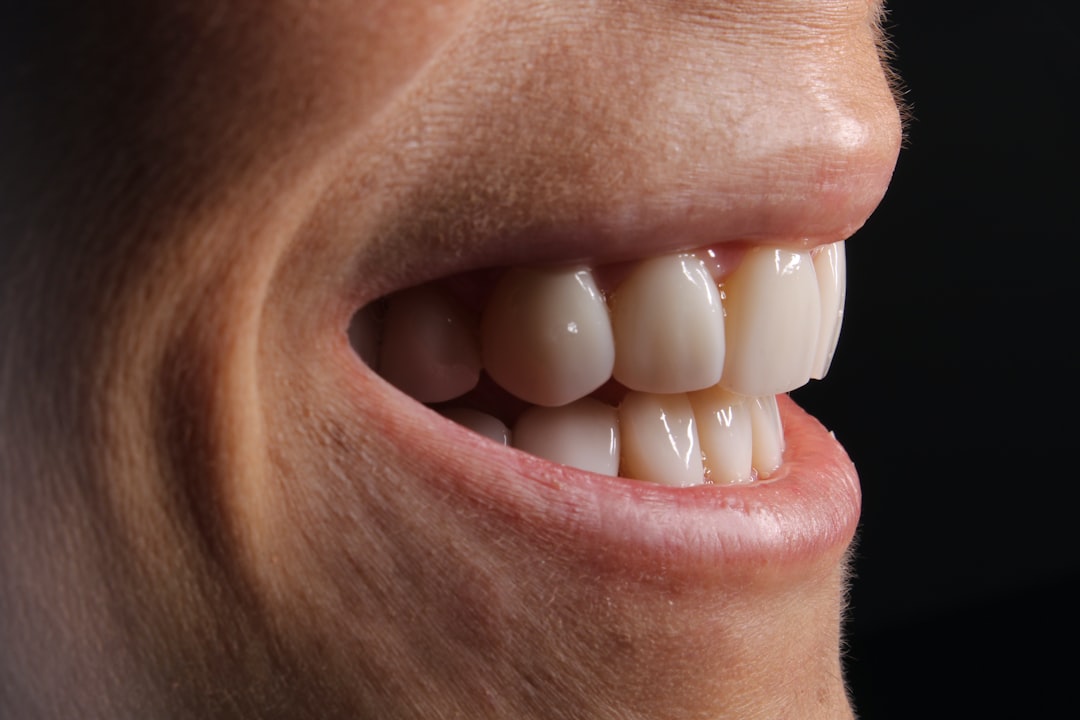
A porcelain veneer is a thin, custom-fabricated ceramic shell — usually 0.3mm to 0.7mm thick — that's permanently bonded to the front surface of a tooth. Think of it as a tailored facade. The veneer changes the color, shape, length, and surface texture of the tooth without altering what's behind it. Veneers are the workhorse of cosmetic dentistry because they correct a wide range of aesthetic problems with one conservative procedure.
The porcelain itself is engineered to mimic enamel. A well-made veneer is translucent at the edge, slightly more opaque in the body, and reflects light the same way a natural tooth does — which is why a good veneer is invisible at conversational distance and a bad one looks like a piano key from across the room. The difference is almost entirely the ceramist, not the dentist.
Porcelain Veneers vs. Composite (Resin) Veneers
Composite veneers are the same material we use for dental bonding — tooth-colored resin that's hand-sculpted directly onto your tooth in one visit. They cost roughly one-third of porcelain. They also stain faster (coffee, red wine, turmeric all get absorbed within 12 to 18 months), wear down at the edges, and chip more easily under bite stress. Porcelain is harder, smoother, and effectively stain-proof.
The honest rule: if it's one tooth and the patient is under 40, bonding is often the right answer. If it's four or more teeth, or the patient wants the result to be visually permanent, porcelain wins every time.
What a Veneer Actually Does to Your Tooth
For a traditional porcelain veneer, we remove about 0.5mm of enamel from the front and a sliver from the biting edge. That's roughly the thickness of a fingernail. The reduction is necessary so the veneer sits flush with the surrounding teeth and doesn't bulk out the smile. That enamel does not grow back, so the prep is a one-way decision — going forward, those teeth will always need some kind of restoration on the prepared surfaces.
Minimal-prep options (Lumineers, prepless ceramic) remove a fraction of that — sometimes nothing at all. They're reversible. The trade-off is that they only work when your existing teeth are already small, slightly behind your lip line, or naturally undersized. For most patients, a small prep produces a much better-looking result than no prep.
What Problems Do Veneers Fix?
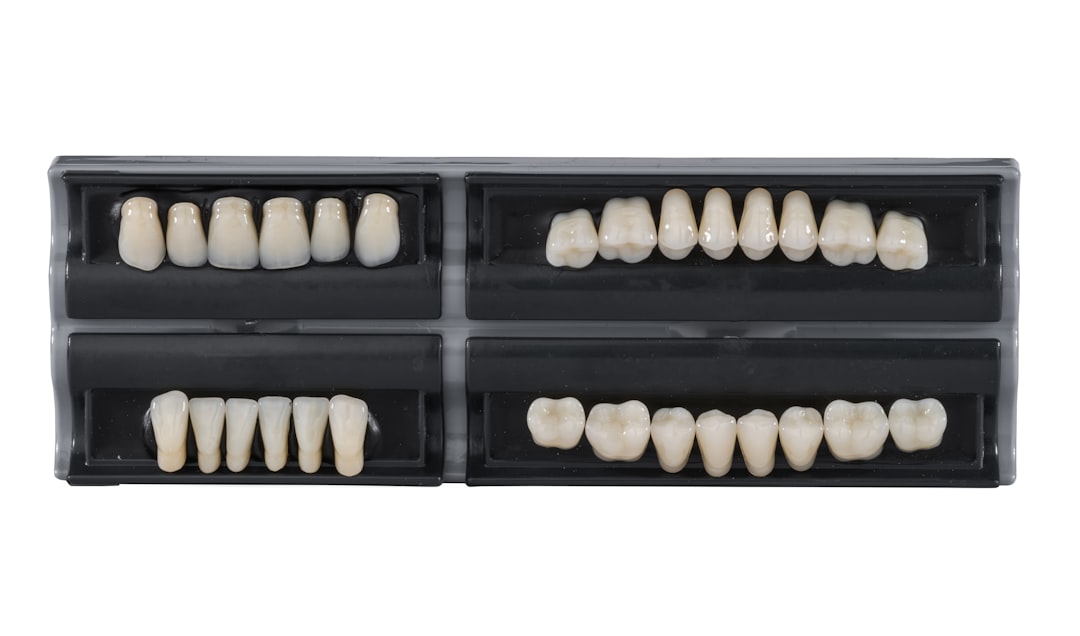
Veneers exist because no other single procedure addresses this many cosmetic complaints at once. Below are the four most common reasons patients walk into our Berkeley office asking about them.
Discoloration That Whitening Can't Touch
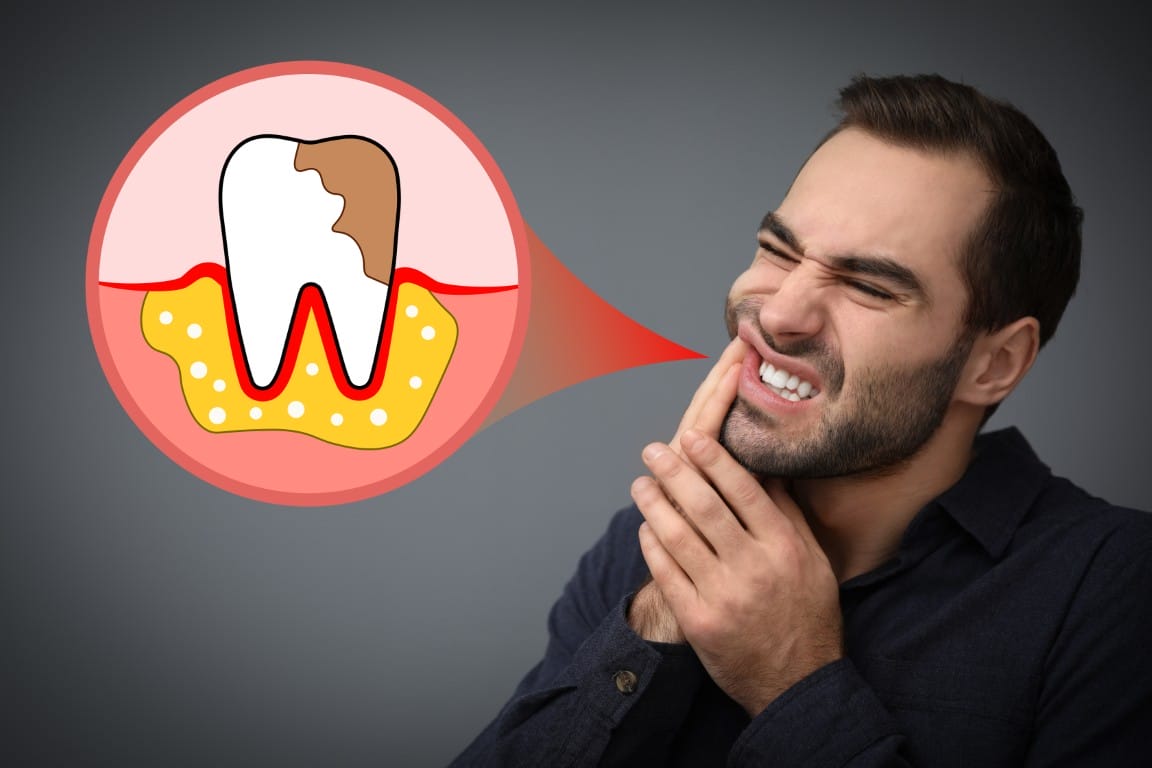
Some staining is intrinsic — built into the structure of the tooth — and bleaching gel can't reach it. The most common culprits are tetracycline staining from antibiotics taken in childhood, fluorosis from excess fluoride during tooth development, gray discoloration from a previous root canal, or simple aging that's darkened the dentin under thinning enamel. Professional teeth whitening won't fix any of these. Porcelain will, because it covers the discolored tooth entirely with a shade you choose.
Chips, Cracks, and Minor Misalignment
A chipped front tooth is the single most common reason patients book a veneer consultation. Bonding can repair small chips for a fraction of the cost, but if the chip is more than about 25% of the tooth or the patient grinds at night, the bonding will fail again within a year or two. Veneers handle the same case with a 15- to 20-year lifespan instead of two.
Minor crowding — slightly rotated or overlapped front teeth — can also be camouflaged with veneers when the patient doesn't want to do Invisalign or braces. The trade-off is that we're masking the alignment cosmetically rather than correcting it functionally. For more than mild crowding, orthodontic treatment first is usually the right path; veneers are a last step, not a shortcut.
Uneven Size, Shape, or Gaps
Lateral incisors that are too small, canines that are too pointy, gaps between the two front teeth (a diastema), or teeth that have worn down unevenly from years of grinding — all of these are veneer cases. Porcelain lets us redesign each tooth's proportions independently. The result, when it's done well, is a smile that looks like the patient's natural teeth on a better day rather than a different person's mouth.
How Much Do Veneers Cost in Berkeley? (2026 Pricing)
Porcelain veneers in Berkeley typically run $1,500 to $2,500 per tooth in 2026. Most cosmetic cases involve six to ten teeth — the front uppers that show when you smile widely — which puts the all-in investment at $9,000 to $25,000. Berkeley and East Bay pricing tracks about 15 to 20% above the national average, which is normal for any specialty healthcare cost in the Bay Area.
What Affects the Price Per Tooth
- Type of porcelain. Pressed lithium disilicate (e.max) and feldspathic porcelain layered by a master ceramist are the premium tier — $2,000 to $2,500 per tooth. CEREC same-day porcelain comes in around $1,500 to $1,800 because there's no separate lab fee.
- The ceramist. A boutique ceramist who hand-stains each veneer charges 2 to 3 times what a high-volume lab charges. The fee shows up in the per-tooth price. The visual difference is enormous.
- Smile design complexity. A single replacement veneer costs less than a coordinated 10-unit smile redesign because the design work is the same regardless of unit count.
- Pre-treatment work. Whitening, gum contouring, or orthodontic correction before veneers add to the total but produce a better-looking final result.
Does Dental Insurance Cover Veneers?
Almost never. Both PPO and HMO plans treat veneers as elective cosmetic dentistry and exclude them by contract. The exception: if a front tooth is fractured below the bondable surface and a veneer is the most conservative restoration, some PPO plans will cover it at the same percentage they'd cover a crown — typically 50% after deductible, capped at the annual maximum. We submit a pre-determination to your insurer in writing before any treatment so you know what (if anything) will come back.
Financing Options at Acorn Family Dental
Most veneer patients spread the cost across 12 to 24 months. We offer in-house payment plans, accept Cherry and CareCredit (both have 0% promotional periods of 12 to 24 months), and welcome HSA and FSA dollars. Our front office team will walk through what each option costs per month before you schedule the prep appointment. More detail on what we accept lives on our affordable dental care page.
The Veneer Process: What Happens at Each Visit
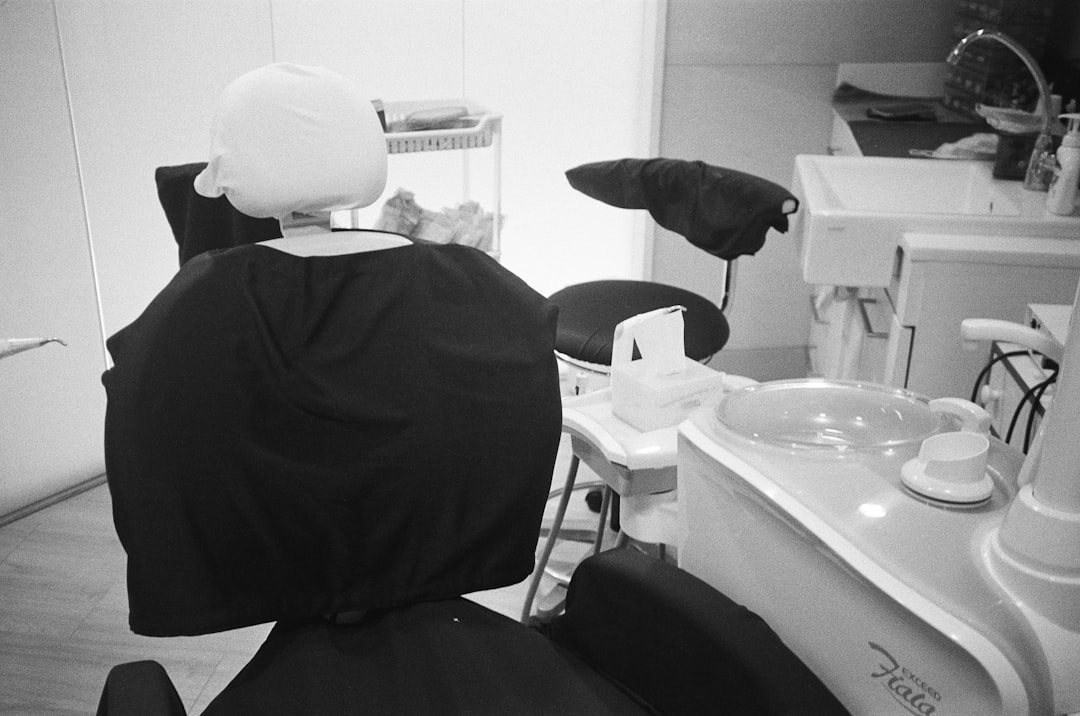
The standard porcelain veneer timeline at our Berkeley office is two appointments over two to three weeks. Here's what each visit actually involves.
Consultation and Digital Smile Design
The first visit is diagnostic. We take photos, intraoral scans, and impressions; review your bite; check gum health; and identify any underlying problems that need to be solved before veneers go on (active decay, gum disease, or a heavy clenching habit, for example). Then we run a digital smile design — a 3D mockup that shows you exactly what your teeth will look like in the proposed shape, length, and shade before any enamel is touched. You leave the consultation with a quote, a treatment plan, and the design file so you can sit with it for a few days.
Tooth Preparation: What Gets Removed
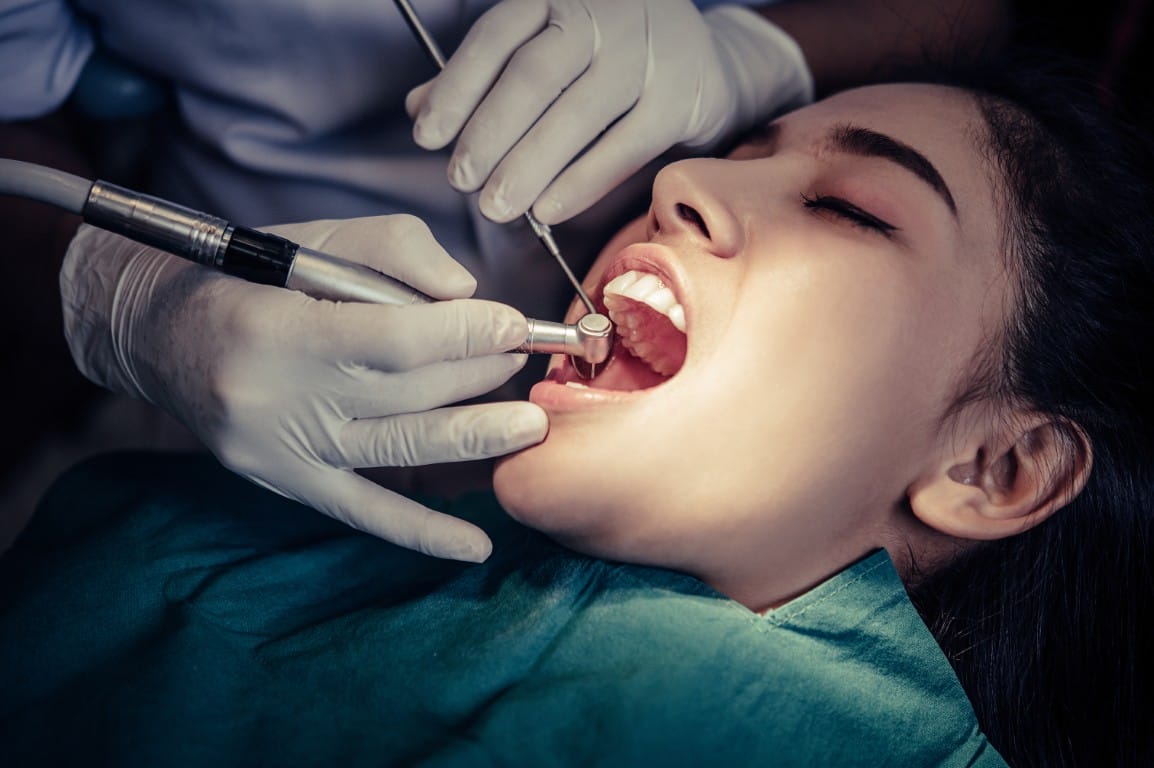
Prep day is about two hours. We anesthetize the area, then carefully reduce 0.3mm to 0.7mm of enamel from the front of each tooth, contour the biting edge slightly, and take a final digital scan that goes to the ceramist. Patients are usually surprised by how little they feel during prep — the front-tooth enamel doesn't have many nerve endings, and modern numbing is precise. You'll feel pressure and vibration, not pain.
Temporary Veneers While Yours Are Made
Before you leave, we bond temporary acrylic veneers in the new shape so you're never walking around with prepared teeth. The temps are a preview — they show you the new tooth length, lip support, and proportions for two to three weeks while the lab fabricates the permanent porcelain. If anything feels off (a tooth too long, an edge too sharp, the bite uncomfortable), we adjust the temps and the ceramist mirrors the change in the final veneers. This is the most underrated part of the process and the reason great veneer cases never feel like a surprise on delivery day.
Final Bonding Appointment
The bonding visit is about 90 minutes. We remove the temporaries, clean each prepared tooth, try in the porcelain veneers to confirm fit and color, and then bond them permanently with a light-cured resin cement. The veneer is etched on its inner surface so the resin grips into the porcelain at a microscopic level — once cured, the bond is stronger than the original tooth-enamel junction. You walk out the same day with your final smile.
Veneers vs. Dental Bonding: Which Is Right for Your Situation?
This is the most common decision veneer-curious patients face, and the answer depends on three things: how many teeth, your budget, and how long you want the result to last.
- One tooth, small chip, under-30 budget. Bonding. $300 to $700, one visit, fully reversible.
- One tooth, large fracture or significant discoloration. Veneer. Bonding will fail under the bite stress within a year or two.
- Four to ten teeth, full smile redesign. Porcelain veneers. Bonding across that many teeth is technique-sensitive, stains unevenly over time, and ends up costing nearly as much because of how much chair time it requires.
- You're not sure you want anything permanent. Start with bonding or a trial smile design (we can mock it up in composite without removing enamel). If you love it after a year, convert to porcelain.
The full pros and cons of each material and how they age side by side are worth a separate conversation — book a consultation and we'll show you both options on a model of your own teeth.
How Long Do Porcelain Veneers Last?

Properly bonded porcelain veneers last 15 to 20 years on average. Many patients keep theirs for 25-plus years before any restoration needs replacement. According to the American Academy of Cosmetic Dentistry, the porcelain itself almost never fails — what eventually needs attention is the bond at the gum line as gums recede with age, or a chip from impact (typically biting into something unexpectedly hard, like an olive pit).
How to Make Yours Last 15+ Years
- Wear a night guard if you grind. Porcelain is harder than enamel, so two veneered surfaces grinding against each other at night will eventually crack one. A custom night guard versus a store-bought one is the single biggest variable in long-term outcome for grinders.
- Don't bite hard objects with your front teeth. Pen caps, fingernails, ice cubes, and crab legs are the four most common culprits in our Berkeley office. The veneer can survive these — but why test it?
- Keep your gums healthy. Veneer aesthetics depend on the gum margin staying stable. Cleanings every six months, daily flossing, and an electric toothbrush head changed every three months are the basics.
- Touch up the surrounding teeth as you age. Your natural teeth keep darkening; the veneer doesn't. A take-home whitening tray every couple of years keeps the unveneered teeth color-matched.
Frequently Asked Questions
- How much do porcelain veneers cost in Berkeley in 2026? Typically $1,500 to $2,500 per tooth. A six-tooth case runs $9,000 to $15,000; eight to ten teeth, $12,000 to $25,000.
- Are veneers covered by insurance? Almost never. The exception is when a veneer replaces a fractured tooth — some plans cover that at the same rate as a crown.
- How long do porcelain veneers last? 15 to 20 years on average, often 25-plus with good care. Composite veneers last 5 to 8.
- What's the difference between veneers and bonding? Veneers are lab-made porcelain shells. Bonding is composite resin sculpted in your mouth. Porcelain looks more natural, lasts 3 to 4 times longer, and costs about three times more.
- Will veneers ruin my real teeth? Traditional veneers remove about 0.5mm of enamel and are not reversible. Minimal-prep options remove little or none, but only suit certain cases.
- How many visits does it take? Two visits over two to three weeks for standard porcelain. CEREC same-day is one visit.
If you're ready to see what your smile could look like before committing to anything, the digital smile design step is a no-pressure way to find out. Book a porcelain veneer consultation in Berkeley with Dr. Nguyen and we'll mock up your case on screen during the same visit. From there, you decide.
Photos by Sarahí Rivera, engin akyurt, Werapinthorn Jaijan, and Vitaly Gariev on Unsplash.