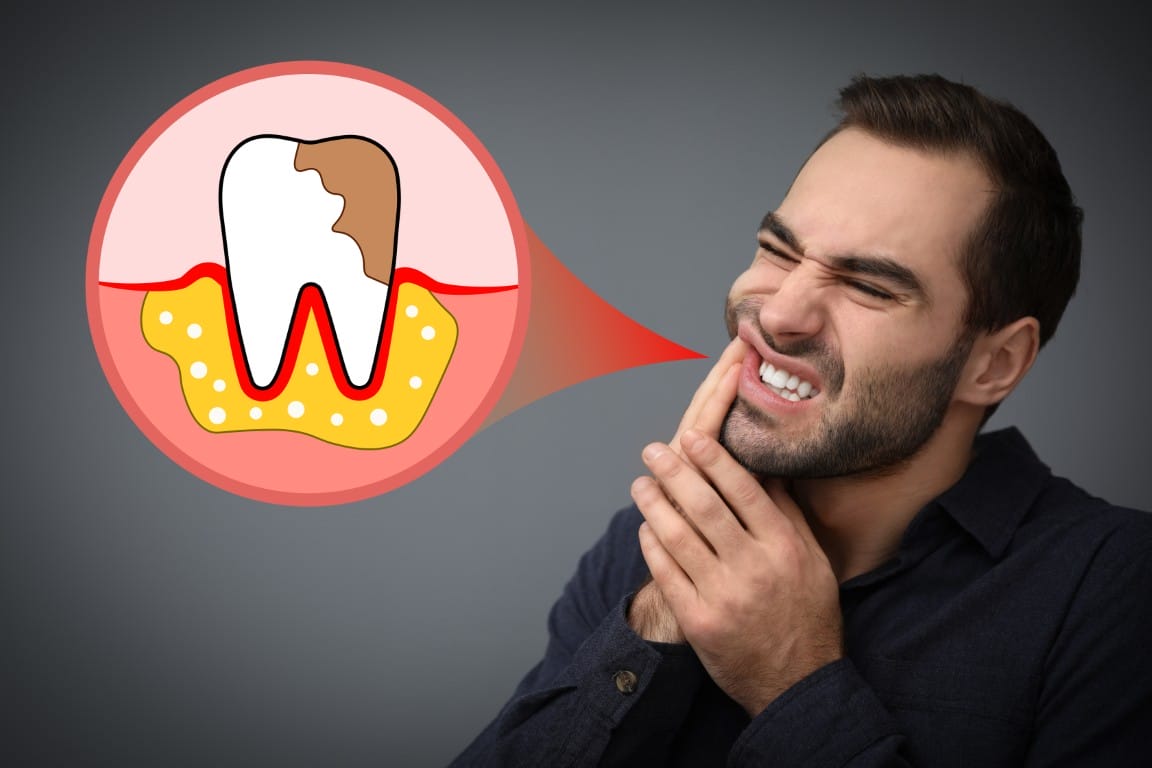



Most people think of dental visits as being about teeth and gums. But your mouth is often one of the first places where signs of systemic health problems appear. A routine dental exam can reveal clues about conditions you might not even know you have.
Here's what your dentist may be able to spot during a standard checkup — and why regular dental visits are about more than just preventing cavities.
Diabetes and Pre-Diabetes
The connection between diabetes and oral health is well documented. Dentists frequently notice signs that prompt further investigation:
- Gum disease that's unusually aggressive — diabetes impairs the body's ability to fight infections, and gum disease may progress faster than expected
- Slow-healing mouth sores — elevated blood sugar interferes with wound healing
- Frequent oral infections — including thrush (oral candidiasis), which is more common in uncontrolled diabetes
- Dry mouth — both diabetes and its medications can reduce saliva production
- A fruity or acetone-like breath — a classic sign of diabetic ketoacidosis
Many patients learn they have pre-diabetes or undiagnosed type 2 diabetes after their dentist recommends a blood glucose screening based on oral findings.
Heart Disease and Cardiovascular Risk
Research continues to strengthen the link between periodontal disease and cardiovascular problems. The bacteria responsible for gum disease can enter the bloodstream through inflamed gum tissue, contributing to:
- Arterial plaque buildup (atherosclerosis)
- Increased risk of heart attack and stroke
- Inflammation of the heart's inner lining (endocarditis)
While gum disease doesn't directly cause heart disease, the chronic inflammation it creates is a recognized risk factor. Your dentist may recommend coordinating care with your cardiologist if significant periodontal issues are found.
Autoimmune Conditions
Several autoimmune diseases produce oral symptoms that a dentist can identify:
- Sjogren's syndrome: Severely dry mouth and eyes, rampant tooth decay
- Lupus: Oral ulcers on the palate and inside the cheeks
- Crohn's disease: Cobblestone-like changes to the oral mucosa, swollen gums
- Celiac disease: Enamel defects, recurrent canker sores
Nutritional Deficiencies
Your mouth is surprisingly transparent about your nutritional status:
- Iron deficiency: Pale gums, smooth or swollen tongue, mouth sores
- Vitamin B12 deficiency: Burning tongue, inflamed mucosa, altered taste
- Vitamin C deficiency: Bleeding gums, loose teeth, slow healing
- Vitamin D deficiency: Weakened enamel, increased cavities, jawbone density loss
- Calcium deficiency: Tooth sensitivity, weakened enamel, jaw problems
Stress and Mental Health
Dentists can often tell when a patient is under significant stress:
- Bruxism: Worn-down tooth surfaces, cracked teeth, and jaw muscle tension are hallmarks of stress-related grinding
- Canker sore outbreaks: Stress is a well-known trigger for recurrent aphthous ulcers
- Neglected oral hygiene: Depression and anxiety can make maintaining daily oral care routines difficult
- Dry mouth from medications: Antidepressants, anti-anxiety medications, and other psychiatric drugs commonly cause reduced saliva
Oral Cancer
Every dental exam at our office includes an oral cancer screening. We check for:
- White or red patches that don't heal
- Unusual lumps or thickened tissue
- Persistent sores lasting more than two weeks
- Changes in how your teeth fit together
Oral cancer caught early has a survival rate above 80%. When it's found late, that rate drops dramatically. Regular dental visits are one of the best ways to catch it early.
Acid Reflux (GERD)
Your dentist may spot erosion patterns on the backs of your teeth — a telltale sign of acid reflux, even if you don't experience obvious heartburn. Stomach acid that reaches the mouth dissolves enamel in a distinctive pattern that's different from decay or normal wear.
Osteoporosis
Reduced bone density affects the jawbone too. Dental X-rays can reveal:
- Thinning of the jawbone
- Loose teeth without obvious gum disease
- Changes in how dentures fit
These findings may lead your dentist to recommend a bone density scan.
Your Mouth Is a Window to Your Health
At Acorn Family Dental Care, Dr. Teah Nguyen looks at the complete picture during every exam — not just your teeth and gums, but what your oral health may be telling us about your overall well-being.
Regular dental checkups are one of the most effective forms of preventive healthcare. Schedule your next visit at our Berkeley office.