

Halitosis FAQ: Your Questions About Bad Breath Answered
Expert answers from Dr. Teah Nguyen, Berkeley's chronic halitosis specialist

Acorn Family Dental Care Always Quality Promise

Expert Insight
For over a decade, Dr. Teah Nguyen has specialized in treating chronic halitosis at Acorn Family Dental Care in Berkeley. This comprehensive FAQ addresses the most common questions about bad breath causes, myths, treatments, and more. Whether you're wondering about the root causes of your halitosis or skeptical about treatment options, you'll find evidence-based answers here. Dr. Nguyen has helped hundreds of East Bay patients overcome persistent bad breath that other treatments couldn't solve.
 Family Dentist in Berkeley, CA Halitosis Specialist Certified & Award-Winning
 Comprehensive Halitosis FAQ
Below are answers to the most common questions about chronic halitosis, its causes, treatments, and the myths surrounding bad breath. Click on any question to read the detailed answer from Dr. Nguyen.
Browse by Topic:
Halitosis Basics: Understanding Bad Breath
What is chronic halitosis?
What causes 85-90% of chronic halitosis cases?
Is chronic halitosis related to poor oral hygiene?
What role does tongue coating play in bad breath?
Is chronic halitosis contagious?
Common Myths About Halitosis
Does mouthwash cure chronic halitosis?
Can I treat halitosis with probiotics?
Does brushing more often help with bad breath?
Is chronic halitosis hereditary?
Does chronic halitosis come from the stomach?
Do certain foods cause chronic halitosis?
Can hydrogen peroxide cure bad breath?
Questions About Treatment
How long does halitosis treatment take?
Is there really a treatment for chronic halitosis?
Health Conditions, Medications & Lifestyle
Can my medication cause halitosis?
How does gum disease cause bad breath?
Can dry mouth cause chronic halitosis?
Can sinus problems cause bad breath?
Can tobacco use cause chronic halitosis?
Can systemic health conditions cause halitosis?
Didn't Find Your Question?
Have a specific question about your halitosis that isn't answered here? Dr. Teah Nguyen is happy to discuss your concerns during a free consultation. Every case is unique, and a personalized assessment may reveal factors specific to your situation that generic FAQs can't address.
Ready to get answers and begin treatment? Get your personalized halitosis assessment today
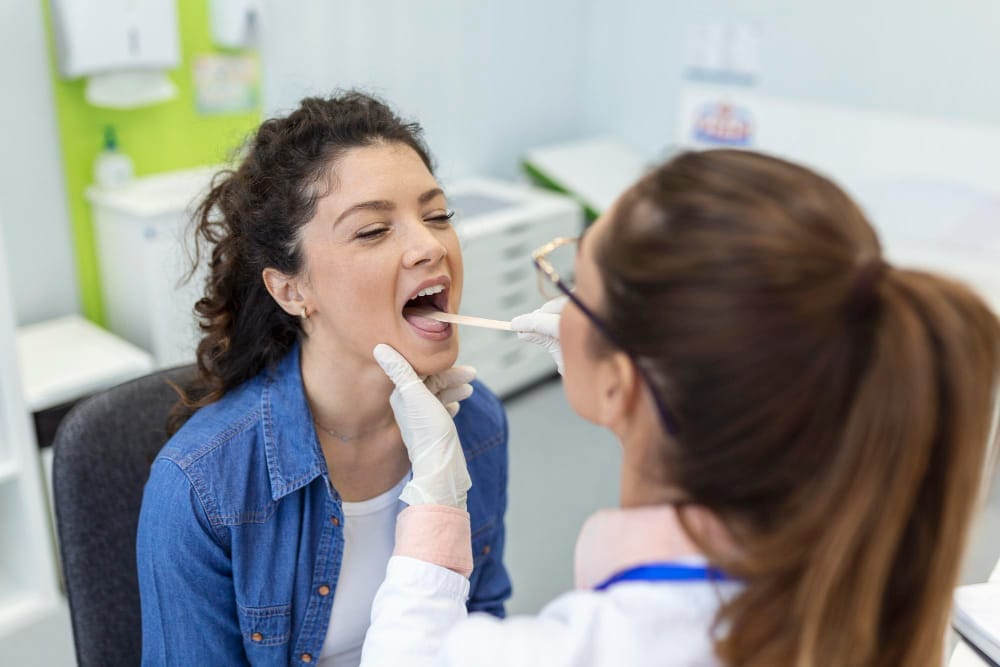
All Your Halitosis Questions Answered
Still Have Questions About Your Halitosis?
Reading about halitosis is one thing, but getting a personalized evaluation is another. Dr. Teah Nguyen can assess your specific situation and answer questions unique to your case.
Serving patients throughout the East Bay including Berkeley, Oakland, Albany, El Cerrito, Richmond, and surrounding communities, Acorn Family Dental Care provides expert halitosis diagnosis and treatment with proven results.
Free consultation available • No pressure, expert guidance

Question & Answer
Nothing matters more than the trust and confidence of our patients. Here's what they share about their experience with Acorn Family Dental Care Dental:
Chronic halitosis is persistent bad breath that lasts for more than 6 months regardless of oral hygiene, diet, or temporary fixes. Unlike temporary food-related odors (which last 1-2 hours), chronic halitosis is caused by anaerobic bacteria in the mouth and throat that produce volatile sulfur compounds. It's a medical condition requiring professional diagnosis and treatment, not a social embarrassment to accept.
Anaerobic bacteria in the mouth and throat cause the vast majority of chronic halitosis. These bacteria produce volatile sulfur compounds (VSCs) that create the characteristic bad breath odor. They thrive in oxygen-depleted areas like deep tongue coating, gum pockets, between teeth, and tonsil crypts. Professional treatment targets these bacteria at their source.
Not necessarily. While poor hygiene can contribute to halitosis, many patients with excellent oral hygiene still struggle with chronic bad breath. The odor-causing bacteria live in areas a toothbrush can't reach—deep in the tongue's papillae, below the gumline, and in tonsil crypts. Over-brushing can actually worsen halitosis by drying the mouth. Professional treatment is needed for true resolution.
No. Mouthwash only masks odor temporarily (20-30 minutes). Alcohol-based mouthwashes can actually worsen halitosis by drying the mouth, which increases bacterial growth. The temporary masking effect creates a cycle of dependency without addressing the bacterial source. Professional treatment that eliminates bacteria is necessary for lasting results.
Most patients see significant improvement within 2-4 weeks of starting professional treatment, with optimal results at 6-8 weeks. The timeline depends on the severity of your condition and the underlying causes. Unlike temporary solutions like mouthwash, professional treatment addresses the bacterial source, providing lasting results rather than temporary masking.
There is no scientific evidence supporting probiotics as a reliable halitosis treatment. While research is ongoing, current studies show inconsistent results. The oral microbiome is complex, and simply adding 'good' bacteria doesn't reliably eliminate the odor-causing species that produce volatile sulfur compounds. Save your money and invest in evidence-based dental treatment instead.
No. Over-brushing can dry the mouth and worsen halitosis, and may damage teeth and gums through enamel erosion. Since odor-causing bacteria live in areas a toothbrush can't reach, aggressive brushing doesn't solve the problem. The right approach is proper brushing technique twice daily combined with professional bacterial treatment.
No, there is no halitosis gene. While certain contributing conditions like dry mouth or tongue anatomy may run in families, chronic bad breath itself is not genetically passed down. Treatment success doesn't depend on family history. If your parents had bad breath, you're not automatically stuck with it.
Many medications cause dry mouth as a side effect, which indirectly leads to halitosis. Common culprits include antihistamines, decongestants, antidepressants (SSRIs), anti-anxiety medications, blood pressure medications, and chemotherapy drugs. If you suspect your medication is causing bad breath, discuss alternatives with your doctor. Don't stop taking prescribed medications without medical guidance.
Gum disease creates pockets between teeth and gums where anaerobic bacteria accumulate and flourish. These bacteria produce volatile sulfur compounds that cause halitosis. If you have gingivitis or periodontitis, treating the gum disease is essential for eliminating bad breath. Professional deep cleaning and periodontal therapy eliminate these bacterial reservoirs.
Yes. Saliva naturally contains antibacterial compounds that control anaerobic bacteria growth. When saliva production decreases (xerostomia), odor-producing bacteria thrive unchecked. Causes of dry mouth include medications, autoimmune conditions like Sjögren's syndrome, radiation therapy, and dehydration. Treating dry mouth often significantly improves halitosis.
In reality, this is extremely rare—occurring in less than 1% of halitosis cases. Studies show that 85-90% of halitosis originates from the mouth and throat, specifically from anaerobic bacteria. Cleansing the intestines or undergoing colonics does not help chronic halitosis. Even GERD (gastric reflux) is often blamed but lacks scientific support for causing halitosis.
The tongue's surface has thousands of tiny papillae (ridges) that trap food debris, dead cells, and bacteria. This creates an ideal environment for anaerobic bacteria to multiply. A thick whitish or yellowish coating on the tongue is a visible sign of bacterial accumulation. Specialized tongue cleaning techniques and professional treatment remove these bacterial colonies.
Yes, chronic sinusitis and postnasal drip can contribute to halitosis. Infected mucus dripping down the back of the throat provides nutrients for anaerobic bacteria and creates odor. Sinus infections involve bacterial growth that produces foul odors. Treating underlying sinus problems combined with professional oral bacterial treatment often significantly helps.
Foods like garlic and onions create temporary smells (1-2 hours), but they don't cause chronic halitosis. If you have persistent bad breath all day regardless of what you eat, the issue is bacterial, not dietary. Focus on professional treatment rather than unnecessary food restrictions. That said, staying hydrated and avoiding excessive alcohol and caffeine (which dry the mouth) helps.
Yes! Effective professional treatment is available and has high success rates when properly diagnosed and implemented. Many patients believe they must live with bad breath forever after trying countless products without success. However, comprehensive evaluation to identify your specific causes combined with targeted treatment provides lasting results. Dr. Nguyen has successfully treated hundreds of Berkeley patients.
No. Hydrogen peroxide has never been proven effective for halitosis in clinical studies. Long-term use can damage oral tissues, cause painful ulcers, disrupt healthy oral bacteria, and lead to black hairy tongue. Professional-grade, pH-balanced rinses prescribed after proper diagnosis are much safer and more effective.
Yes, absolutely. Tobacco smoke dries the mouth, increases anaerobic bacterial growth, stains teeth, and creates foul-smelling residue. Smokeless tobacco is equally problematic. Quitting tobacco is one of the most effective ways to improve halitosis, combined with professional treatment to eliminate bacteria already present.
While 85-90% of halitosis originates in the mouth, certain systemic conditions can contribute including uncontrolled diabetes, liver disease, kidney disease, and respiratory infections. These conditions rarely cause halitosis alone—they usually worsen the bacterial environment in the mouth. Professional dental evaluation can determine if systemic factors are involved.
No, chronic halitosis cannot be transmitted through kissing or close contact. While certain bacteria can be shared, the specific combination of factors that creates chronic halitosis—oral anatomy, saliva composition, and bacterial balance—is unique to each person. You cannot 'catch' chronic bad breath from someone else.
Move Beyond Questions to Real Solutions
This FAQ page provides evidence-based answers, but what you really need is a personalized treatment plan based on your specific halitosis causes. Dr. Nguyen has successfully treated hundreds of patients by identifying and addressing the root causes. Learn about the main causes of halitosis.
Book your dental appointment in Berkeley, CA, and discover why patients trust us for lasting, confident smiles.

Call us at
+1 510-848-011498%
Our Patient Care Retention Rate.